
OPUSD
Optimism - US dollar
0.098330
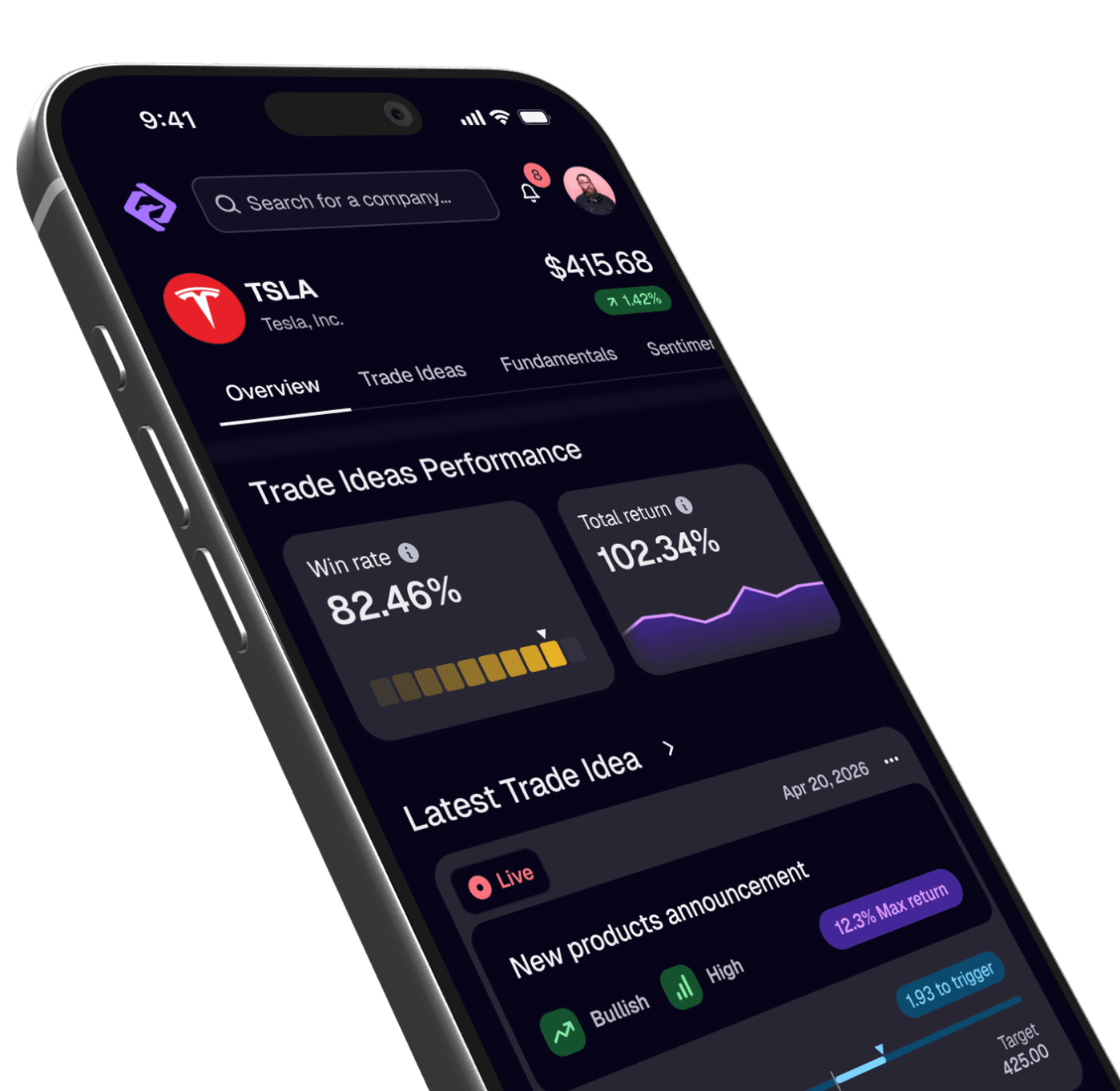
0.12%Trade Ideas Performance
Latest Closed Trade Idea
0.098330
0.12%About
Overview
What Is OP/USD?
OP/USD shows the OP/USD price: how many US dollars are needed to buy one OP, the governance token of Optimism. If OP/USD trades at a hypothetical 1, one OP costs 1 US dollar, and converting Optimism to USD works at the same rate.
Optimism is an Ethereum Layer 2 scaling network and the creator of the OP Stack, open-source software used to build many other Layer 2 chains, including Coinbase's Base. Together, these chains form the Superchain. Traders follow OP/USD because it gives exposure to one of the most widely used rollup frameworks in Ethereum scaling.
Key Facts About OP/USD
- Base currency: Optimism (OP)
- Quote currency: US Dollar (USD)
- Asset category: Layer 2 scaling solution / governance token
- Blockchain / network: OP Mainnet, an optimistic rollup on Ethereum; OP also exists on Ethereum
- Consensus mechanism: Not applicable as a standalone chain; OP Mainnet settles to Ethereum, which uses Proof of Stake
- Launch year and founders: Developed by OP Labs and supported by the Optimism Foundation; OP Mainnet launched in 2021 and the OP token in 2022
- Supply model: Initial supply of 4,294,967,296 OP, with up to 2% annual inflation set by governance
- Market capitalization tier: Mid-cap
- Trading hours: 24/7
- Liquidity: High, with listings on most major exchanges
- Volatility: High; generally above Ethereum's
How Optimism Works
OP Mainnet is an optimistic rollup: it processes transactions off Ethereum's main chain and posts the data to Ethereum. Transactions are assumed valid unless someone challenges them with a fault proof during a dispute period. In 2024, Optimism added permissionless fault proofs, allowing anyone to challenge invalid withdrawals. Gas on OP Mainnet is paid in ETH, not OP.
The OP Stack lets anyone launch a rollup using the same software. Chains that join the Superchain, including Base, agree to shared standards and contribute a share of their revenue to the Optimism Collective. This makes Optimism's influence much larger than OP Mainnet's own activity.
Governance runs through the Optimism Collective, which has two parts: the Token House, where OP holders vote, and the Citizens' House, which focuses on funding public goods. Compared with Arbitrum, which uses its own technology, Optimism's strategy relies on many chains adopting the OP Stack.
Because many chains share the OP Stack, upgrades developed for Optimism can be adopted across the Superchain, spreading improvements quickly.
Optimism Tokenomics and Supply
OP launched in 2022 with an initial supply of 4,294,967,296 tokens. Large allocations went to the ecosystem fund, retroactive public goods funding, user airdrops, core contributors and investors, with insider tokens released over several years.
Optimism has held several airdrops to users of OP Mainnet and the Superchain. The token design allows up to 2% annual inflation, with the rate set by governance.
OP is used for governance in the Token House. It is not needed to pay gas. For OP/USD, the supply model matters because unlocks, airdrops and possible inflation add supply, while value capture depends on how Superchain revenue is used by the Collective.
A large part of the initial supply was set aside for ecosystem funding and public goods, reflecting Optimism's focus on rewarding projects that benefit the wider community. Airdrops have been distributed in several rounds rather than all at once.
Key Drivers of OP/USD
Superchain Growth
The number of chains built on the OP Stack, and their activity, determines Optimism's influence and revenue. Superchain growth is central to OP/USD analysis.
Base Activity
Base is the largest OP Stack chain. Its success adds revenue to the Collective and validates the OP Stack.
Token Unlocks and Airdrops
Releases of core contributor and investor tokens, along with airdrops, add supply.
Revenue Use and Buybacks
Proposals to use Superchain revenue for OP buybacks or other value capture can shift sentiment.
Layer 2 Competition
Arbitrum, ZK rollups and other frameworks compete with the OP Stack for new chains.
Ethereum Market Conditions
OP tends to move with Ethereum and broader Layer 2 sentiment.
Typical OP/USD Volatility and Price Ranges
OP/USD often moves in the mid single digits in percentage terms on an average day, with weekly ranges commonly between 10% and 25%. It has often been weighed down by token unlocks, with sharp rallies during Layer 2 enthusiasm.
Volatility tends to rise around unlocks, airdrops, major upgrades, Superchain announcements and broad crypto events such as FOMC decisions and US CPI releases. Quieter periods are common when Layer 2 activity is subdued.
OP is generally more volatile than Bitcoin and Ethereum and far more volatile than traditional assets.
Large unlock dates are known in advance, so part of their effect may already be reflected in the price before they occur.
Best Time to Trade OP/USD
OP/USD trades 24/7, including weekends:
- Asian session: active, with strong interest on Asian exchanges
- European session: volume rises as European traders join
- US session: usually the busiest, as US-based teams' announcements and the overlap with US equity market hours drive activity
- Session overlaps: the Europe-US overlap typically offers the deepest liquidity
- Weekends and holidays: thinner liquidity can magnify moves
The US session is generally the best time to trade OP/USD, when Superchain news and liquidity peak.
Most Common Strategies for Trading OP/USD
- Superchain-adoption tracking: traders follow new chains joining the Superchain and their activity.
- OP/ARB relative value: traders compare OP with Arbitrum to judge which Layer 2 ecosystem is gaining ground.
- Unlock-date management: traders adjust exposure around large token releases.
- Airdrop-cycle awareness: traders anticipate selling from airdrop recipients after distributions.
Those who want to buy Optimism tokens should remember that OP is a governance token, so OP/USD trading depends on Superchain growth and governance decisions.
Factors That Could Move OP/USD in the Future
- Regulation: treatment of Layer 2 governance tokens
- Institutional adoption: companies launching OP Stack chains
- Technology: interoperability across the Superchain and faster proofs
- Competition: Arbitrum, ZK rollups and other frameworks
- Monetary policy: liquidity conditions affecting altcoins
- Tokenomics: unlocks, inflation and revenue-sharing decisions
- Security: fault proof systems and bridge risks
No OP/USD forecast or OP/USD price prediction is certain; traders follow Superchain growth and supply as they develop.
Advantages and Risks of Trading OP/USD
Advantages
- Widely used framework: the OP Stack powers many chains
- Base connection: a major chain contributes revenue
- Public goods focus: a distinctive governance model
- High liquidity: widely listed on major exchanges
Risks
- Unlock pressure: insider tokens add supply
- Limited utility: OP is not used to pay gas
- Potential inflation: governance can issue new tokens
- Competition: other rollup frameworks
OP/USD Trading FAQ
Q: What is the Superchain?
A: It is the network of chains built with the OP Stack, such as OP Mainnet and Base, which share standards and contribute revenue to the Optimism Collective.
Q: Do I need OP to use Optimism?
A: No. Gas on OP Mainnet is paid in ETH. OP is used for governance.
Q: What is the OP Stack?
A: It is open-source software for building Layer 2 rollups, used by Optimism, Base and many other chains.
Q: Is OP inflationary?
A: The token design allows up to 2% annual inflation, with the rate set by governance.
Q: What is the Citizens' House?
A: It is part of Optimism's governance focused on funding public goods, alongside the Token House where OP holders vote.
FAQ
Related Assets
Price action provided by Massive. Fundamentals, news and corporate events provided by FactSet. NLP support provided by Perplexity & Gemini. All data is provided for informational purposes only.
Make every trade make sense.
Sign up free. No card required. Three trade ideas a day, the AI analyst, the community - on us.

Join us and trade with people
who think like you.
The Edge Hound Discord is where serious self-directed investors talk strategy, share setups, and learn from each other. Free to join with any plan - including Free.
Free to join with any plan - including Free.