
RAYUSD
Raydium - US dollar
1.62560
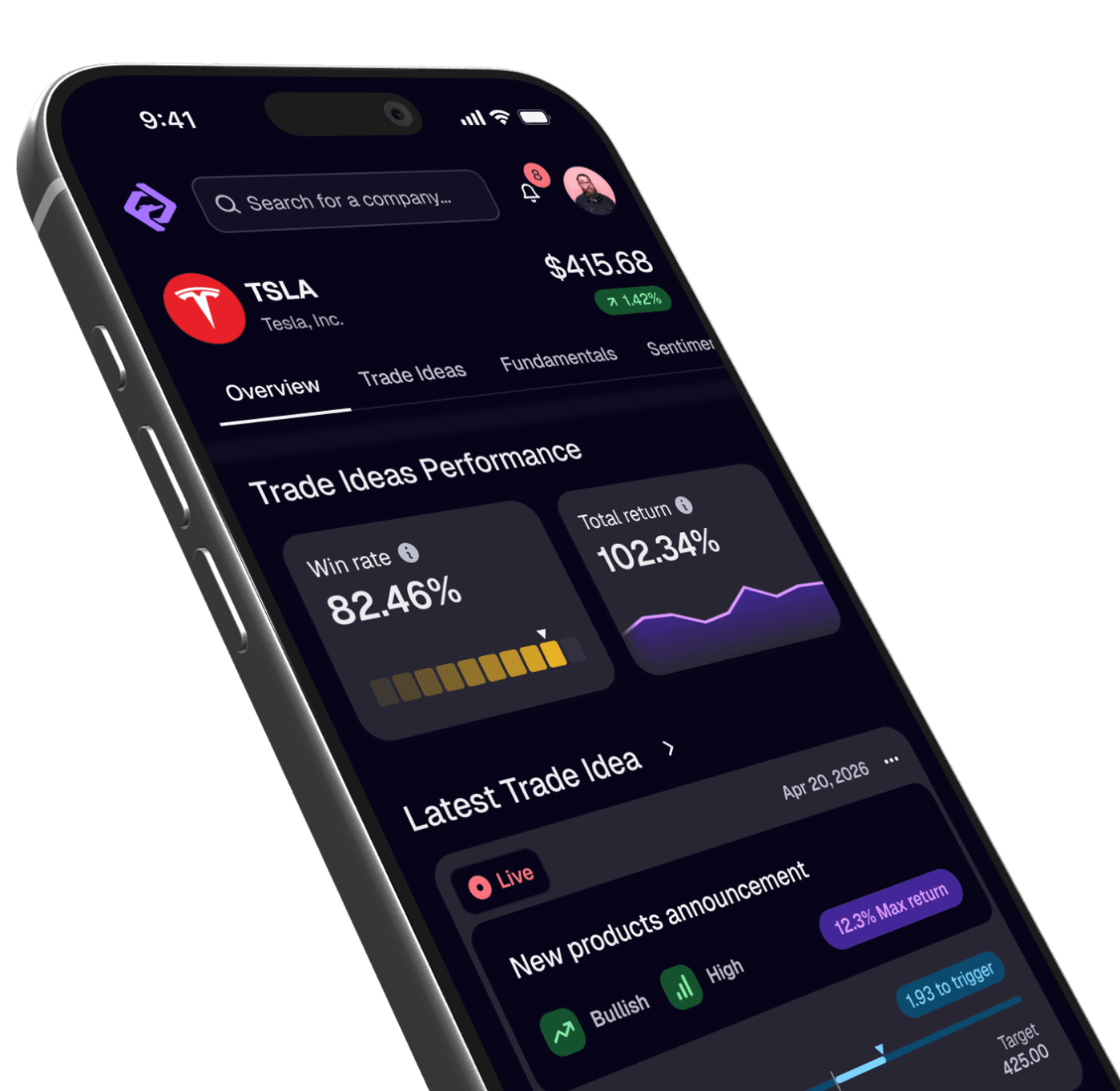
0.02%Trade Ideas Performance
Latest Closed Trade Idea
1.62560
0.02%About
Overview
What Is RAY/USD?
RAY/USD shows the RAY/USD price: how many US dollars are needed to buy one RAY, the token of Raydium. If RAY/USD trades at a hypothetical 3, one RAY costs 3 US dollars, and converting Raydium to USD works at the same rate.
Raydium is one of the largest decentralized exchanges (DEXs) on Solana, where users swap tokens and provide liquidity to earn fees. It is a key venue for new tokens on Solana, including meme coins. RAY is a DeFi token. Traders follow RAY/USD because Raydium's fortunes are closely tied to trading activity on Solana and because part of its fees are used to buy back RAY.
Key Facts About RAY/USD
- Base currency: Raydium (RAY)
- Quote currency: US Dollar (USD)
- Asset category: DeFi token (decentralized exchange)
- Blockchain / network: Issued as a token on Solana
- Consensus mechanism: Not applicable; RAY relies on Solana's Proof of Stake
- Launch year and founders: Raydium launched on Solana in 2021, developed by a team that has largely remained pseudonymous
- Supply model: Maximum supply of 555 million RAY, with minting disabled; part of trading fees funds RAY buybacks
- Market capitalization tier: Mid-cap
- Trading hours: 24/7
- Liquidity: High on major exchanges and Solana DEXs
- Volatility: High; generally above Solana's
How Raydium Works
Raydium is an automated market maker (AMM): users trade against liquidity pools rather than an order book, and liquidity providers earn a share of the trading fees. Raydium offers standard pools as well as concentrated liquidity pools, where providers focus their funds within chosen price ranges for greater efficiency. Concentrated positions can earn more fees per dollar deposited, but they stop earning when the price moves outside the chosen range.
Raydium has long been a common destination for new Solana tokens. Many meme coins and new projects create their first liquidity pools on Raydium, which makes its activity closely linked to Solana's speculative cycles. In 2025, Raydium launched LaunchLab, its own platform for creating and launching new tokens, which has at times generated significant fees.
Much of Raydium's volume arrives through aggregators such as Jupiter, which route trades to the pools offering the best prices. Compared with Orca, another Solana DEX, Raydium has historically been more closely associated with new token launches; compared with Uniswap on Ethereum, it benefits from Solana's lower fees and faster speeds.
Raydium Tokenomics and Supply
RAY has a maximum supply of 555 million tokens, and the ability to mint more has been disabled. A large share was set aside for liquidity mining rewards, with the rest allocated to the team, partners, the ecosystem and early participants.
Raydium directs 12% of trading fees on its pools to buying back RAY. The repurchased tokens are held at a protocol address rather than burned. By mid-2025, cumulative buybacks had exceeded $190 million, covering about a quarter of circulating supply.
RAY is used for staking, governance and liquidity incentives. For RAY/USD, the supply model matters because buybacks remove RAY from the market in proportion to trading activity, linking the token's demand closely to Raydium's volume.
Key Drivers of RAY/USD
Solana DEX Volume
Raydium's fees and buybacks depend on trading volume. Solana DEX activity is the central input to RAY/USD analysis.
Meme-Coin and Token Launch Cycles
Waves of new token launches on Solana drive activity on Raydium and LaunchLab. When these cycles cool, volume can fall sharply. On some days, LaunchLab has generated more fees than Raydium's swaps.
Buyback Pace
The amount of RAY repurchased each week shows how strongly revenue supports the token.
Competition for Liquidity
Other Solana DEXs and launch platforms compete for liquidity and new tokens. Shifts in market share affect fees, and new tokens can quickly move to whichever platform offers the most attention.
Solana Ecosystem Health
Network reliability, SOL's price and new users on Solana all affect Raydium's activity.
Typical RAY/USD Volatility and Price Ranges
RAY/USD often moves in the mid-to-high single digits in percentage terms on an average day, with weekly ranges commonly between 10% and 30%. It tends to amplify moves in SOL and in Solana's meme-coin activity.
Volatility tends to rise around meme-coin booms, major Solana events, changes in launch-platform competition and broad crypto events such as FOMC decisions and US CPI releases. Quieter periods are common when on-chain trading slows. Because buybacks rise with volume, RAY often reacts quickly to changes in Solana trading activity.
RAY is generally more volatile than Bitcoin and Ethereum and far more volatile than traditional assets.
Best Time to Trade RAY/USD
RAY/USD trades 24/7, including weekends:
- Asian session: active, with strong Solana trading interest in Asia
- European session: volume rises as European traders join
- US session: usually the busiest, as US-led meme-coin activity and the overlap with US equity market hours drive trading
- Session overlaps: the Europe-US overlap typically offers the deepest liquidity
- Weekends and holidays: on-chain trading often stays busy, while exchange order books thin
The US session is generally the best time to trade RAY/USD, when Solana DEX volume usually peaks.
Most Common Strategies for Trading RAY/USD
- Volume and fee tracking: traders monitor Raydium's daily volume and fees as indicators of buyback strength.
- Meme-cycle positioning: traders add exposure when Solana token launches accelerate and reduce it when activity fades.
- RAY/SOL relative value: traders compare RAY with SOL to judge whether Raydium is outperforming its home chain.
- Launch-platform market share analysis: traders compare LaunchLab activity with rival platforms to judge competitive trends.
Those who want to buy Raydium should understand that RAY/USD trading is driven largely by Solana's on-chain trading cycles.
Factors That Could Move RAY/USD in the Future
- Regulation: rules for DEXs and meme-coin launch platforms
- Adoption: growth in Solana users and new token launches
- Technology: new pool types and launch features
- Competition: other Solana DEXs and launch platforms
- Monetary policy: liquidity conditions that drive speculative trading
- Tokenomics: buyback size and remaining incentive emissions
- Security: smart contract and key-management risks
No RAY/USD forecast or RAY/USD price prediction is certain; traders follow Solana activity and buybacks as they develop.
Advantages and Risks of Trading RAY/USD
Advantages
- Leading Solana DEX: a central venue for token trading
- Capped supply: 555 million RAY with minting disabled
- Fee buybacks: 12% of trading fees fund RAY purchases
- Launch platform: LaunchLab adds a new revenue stream
Risks
- Cyclical volume: activity depends on speculative trading
- Competition: rival DEXs and launch platforms
- Solana dependence: tied to one blockchain
- High volatility: large swings in both directions
RAY/USD Trading FAQ
Q: How do Raydium buybacks work?
A: Raydium uses 12% of trading fees from its pools to buy RAY on the market. The bought tokens are held at a protocol address rather than burned.
Q: What is LaunchLab?
A: LaunchLab is Raydium's platform for creating and launching new tokens on Solana, introduced in 2025.
Q: Can more RAY be created?
A: No. RAY's maximum supply is 555 million, and minting has been disabled.
Q: Why is Raydium linked to meme coins?
A: Many new Solana tokens, including meme coins, have created their first trading pools on Raydium, so its activity rises and falls with these trends.
Q: How is Raydium different from Jupiter?
A: Raydium runs its own liquidity pools, while Jupiter is an aggregator that routes trades across many exchanges, including Raydium.
FAQ
Related Assets
Price action provided by Massive. Fundamentals, news and corporate events provided by FactSet. NLP support provided by Perplexity & Gemini. All data is provided for informational purposes only.
Make every trade make sense.
Sign up free. No card required. Three trade ideas a day, the AI analyst, the community - on us.

Join us and trade with people
who think like you.
The Edge Hound Discord is where serious self-directed investors talk strategy, share setups, and learn from each other. Free to join with any plan - including Free.
Free to join with any plan - including Free.