
RUNEUSD
Rune - US dollar
0.597
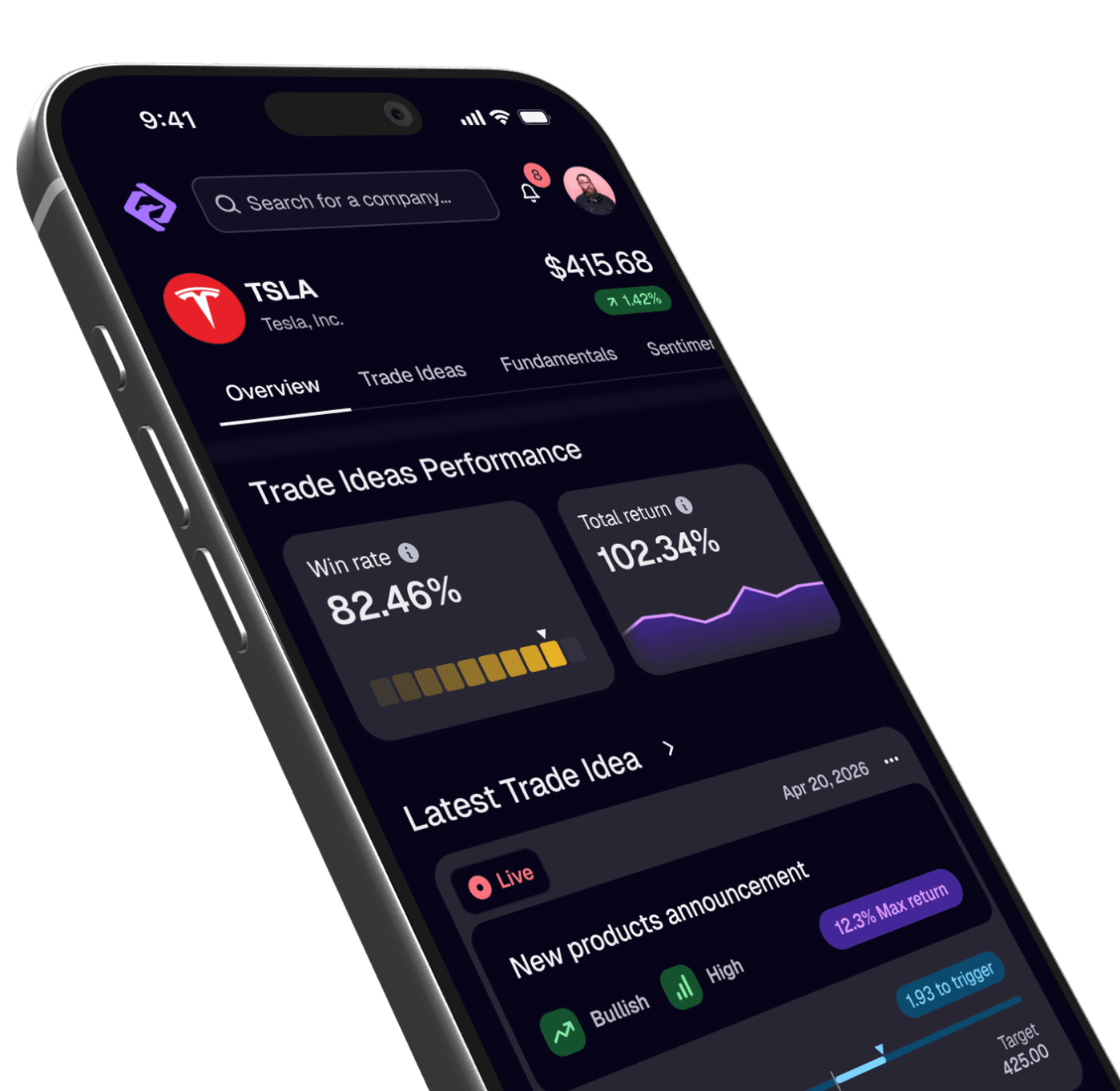
0.33%Trade Ideas Performance
Latest Closed Trade Idea
0.597
0.33%About
Overview
What Is RUNE/USD?
RUNE/USD shows the RUNE/USD price: how many US dollars are needed to buy one RUNE, the native token of THORChain. If RUNE/USD trades at a hypothetical 1.50, one RUNE costs 1.50 US dollars, and converting Rune to USD works at the same rate.
THORChain is a cross-chain exchange network that lets users swap native assets between different blockchains, such as bitcoin for ether, without wrapped tokens or centralized exchanges. RUNE is at the center of every pool and secures the network. Traders follow RUNE/USD because THORChain is one of the few ways to trade native bitcoin in DeFi, and because of its eventful history.
Key Facts About RUNE/USD
- Base currency: Rune (RUNE)
- Quote currency: US Dollar (USD)
- Asset category: Cross-chain exchange / DeFi Layer 1 token
- Blockchain / network: THORChain's own blockchain, built with the Cosmos SDK
- Consensus mechanism: Proof of Stake-style bonding, where node operators bond RUNE
- Launch year and founders: Developed by a largely pseudonymous community of contributors; THORChain launched its multi-chain network in 2021
- Supply model: Started with a maximum supply of 500 million RUNE, which has been reduced by burns
- Market capitalization tier: Mid-cap
- Trading hours: 24/7
- Liquidity: High, with listings on most major exchanges
- Volatility: High; generally above Bitcoin and Ethereum
How THORChain Works
THORChain runs liquidity pools in which each external asset, such as BTC or ETH, is paired with RUNE. When a user swaps BTC for ETH, the trade passes through both pools, with RUNE acting as the bridge. The network holds the actual assets in vaults on each blockchain, managed by its node operators using shared cryptographic keys.
Node operators must bond RUNE worth more than the assets they help secure, giving them a strong incentive to behave honestly. Liquidity providers earn swap fees, and the system adjusts rewards between nodes and liquidity providers.
THORChain has faced serious problems. In 2021, it suffered several exploits. In January 2025, node operators paused its lending and savings products after they became unable to meet withdrawals, and about $200 million of debt was converted into a new token called TCY, which receives a share of THORChain's revenue. THORChain was also reportedly used to move funds stolen in the February 2025 Bybit hack. Compared with wrapped-asset bridges, THORChain swaps native assets; compared with centralized exchanges, it requires no account.
Because every swap passes through RUNE, the token's value is linked to the total liquidity held in THORChain's pools.
Rune Tokenomics and Supply
RUNE started with a maximum supply of 500 million tokens. Since late 2024, a share of THORChain's system income has been burned, reducing the maximum supply over time.
RUNE is used in every liquidity pool, as the bond posted by node operators and to pay network fees. Because pools pair external assets with RUNE, growth in pool size increases demand for RUNE.
For RUNE/USD, the supply model matters because burns reduce supply, while demand depends on swap volume and the amount of RUNE needed for pools and bonds.
Under the 2025 restructuring proposal, TCY holders receive 10% of THORChain's revenue indefinitely.
Key Drivers of RUNE/USD
Cross-Chain Swap Volume
Swap volume drives fees and demand for RUNE. Volume trends are central to RUNE/USD analysis.
Solvency and Restructuring
The 2025 pause of lending and savings and the TCY debt conversion remain important for confidence.
Native Bitcoin DeFi Demand
Demand for swapping native bitcoin without centralized exchanges supports THORChain.
Security Incidents and Illicit Flows
Exploits and the use of THORChain to move stolen funds create regulatory and reputational risk.
Burns and Supply
The pace of burns from system income affects long-term supply.
Competition From Other Cross-Chain Tools
Bridges, intent-based swap systems and centralized exchanges compete for cross-chain trades.
Recovery after past crises has tended to depend on how quickly swap volume returned.
Typical RUNE/USD Volatility and Price Ranges
RUNE/USD often moves in the mid-to-high single digits in percentage terms on an average day, with weekly ranges commonly between 10% and 30%. It has fallen sharply during crises, such as the January 2025 pause, and rallied strongly during periods of high swap volume.
Volatility tends to rise around security incidents, governance decisions, major swap-volume spikes and broad crypto events such as FOMC decisions and US CPI releases. Quieter periods are common when cross-chain trading slows.
RUNE is generally more volatile than Bitcoin and Ethereum and far more volatile than traditional assets.
News about THORChain's solvency and security has often caused sharper moves than broader market events.
Best Time to Trade RUNE/USD
RUNE/USD trades 24/7, including weekends:
- Asian session: active, with strong interest on Asian exchanges
- European session: volume rises as European traders join
- US session: usually the busiest, especially during the overlap with US equity market hours
- Session overlaps: the Europe-US overlap typically offers the deepest liquidity
- Weekends and holidays: cross-chain swaps continue, but exchange liquidity thins
The US session is generally the best time to trade RUNE/USD, when market liquidity and news flow peak.
Most Common Strategies for Trading RUNE/USD
- Swap-volume tracking: traders follow THORChain's daily volume and fees as fundamental indicators.
- Crisis-risk management: given past exploits and the 2025 pause, traders limit position sizes and watch governance closely.
- Bitcoin-cycle correlation: since THORChain handles native BTC swaps, traders watch Bitcoin activity for cues.
- Liquidity provision: some holders provide liquidity to THORChain pools to earn swap fees, accepting the risks.
Those who want to buy Rune should understand THORChain's history of incidents, which affects RUNE/USD trading risk.
Factors That Could Move RUNE/USD in the Future
- Regulation: scrutiny of cross-chain swaps and illicit fund flows
- Adoption: wallets and apps integrating THORChain swaps
- Technology: security improvements and new chains supported
- Competition: bridges, intent systems and centralized exchanges
- Monetary policy: liquidity conditions affecting DeFi
- Tokenomics: the pace of burns and the TCY restructuring
- Security: vault and protocol risks
No RUNE/USD forecast or RUNE/USD price prediction is certain; traders follow volume, solvency and security as they develop.
Advantages and Risks of Trading RUNE/USD
Advantages
- Native cross-chain swaps: no wrapped tokens needed
- Bitcoin access: one of the few DeFi venues for native BTC
- Supply burns: system income reduces supply
- Core role: RUNE sits in every pool
Risks
- Solvency history: 2025 pause and debt restructuring
- Security incidents: past exploits
- Regulatory risk: use in moving stolen funds
- High volatility: large swings in both directions
RUNE/USD Trading FAQ
Q: How does THORChain swap native bitcoin?
A: It holds real BTC in vaults on the Bitcoin network and pairs it with RUNE in a pool, so users can swap native BTC for other native assets.
Q: What happened to THORChain lending in 2025?
A: In January 2025, lending and savings were paused, and about $200 million of debt was converted into a new token, TCY, which receives a share of protocol revenue.
Q: What is RUNE's maximum supply?
A: RUNE started with a maximum of 500 million tokens, which has been reduced by burns from system income since late 2024.
Q: Why do node operators bond RUNE?
A: Bonding RUNE worth more than the assets they secure gives node operators a financial reason to act honestly.
Q: What is TCY?
A: TCY is a token created in 2025 to replace defaulted lending and savings debt, entitling holders to a share of THORChain's revenue.
FAQ
Related Assets
Price action provided by Massive. Fundamentals, news and corporate events provided by FactSet. NLP support provided by Perplexity & Gemini. All data is provided for informational purposes only.
Make every trade make sense.
Sign up free. No card required. Three trade ideas a day, the AI analyst, the community - on us.

Join us and trade with people
who think like you.
The Edge Hound Discord is where serious self-directed investors talk strategy, share setups, and learn from each other. Free to join with any plan - including Free.
Free to join with any plan - including Free.