
XTZUSD
Tezos - US dollar
0.24240
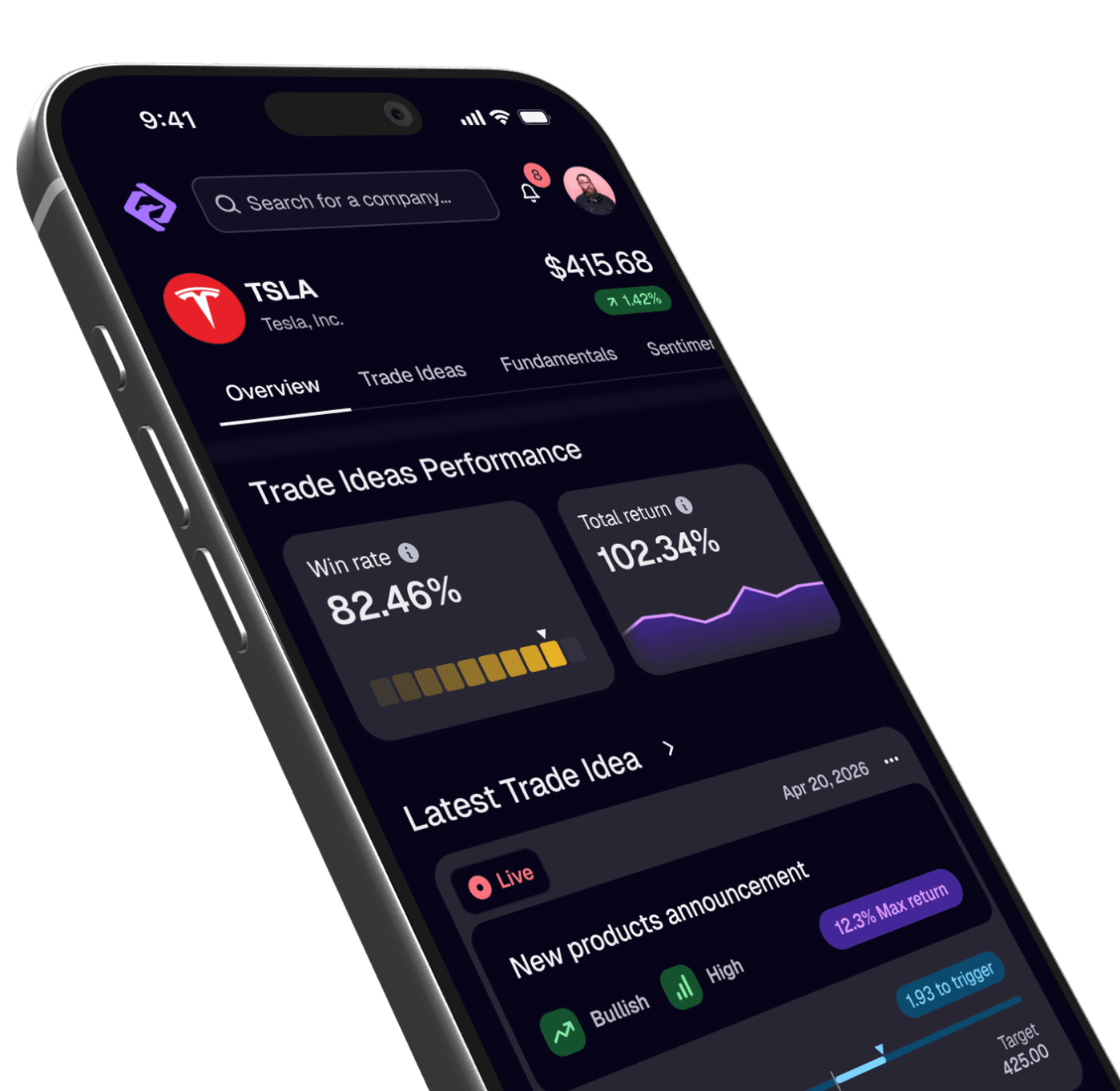
1.38%Trade Ideas Performance
Latest Closed Trade Idea
0.24240
1.38%About
Overview
What Is XTZ/USD?
XTZ/USD shows the XTZ/USD price: how many US dollars are needed to buy one XTZ (tez), the native token of Tezos. If XTZ/USD trades at a hypothetical 0.80, one XTZ costs 80 US cents, and converting Tezos to USD works at the same rate.
Tezos is a smart contract platform (Layer 1) known for its self-amending design: protocol upgrades are proposed and voted on by token holders and activated without splitting the chain. Traders follow XTZ/USD because Tezos is one of the older Proof of Stake networks, with a strong focus on formal verification, digital art and institutional use cases.
Key Facts About XTZ/USD
- Base currency: Tezos (XTZ)
- Quote currency: US Dollar (USD)
- Asset category: Smart contract platform (Layer 1)
- Blockchain / network: Tezos' own blockchain, with Etherlink, an Ethereum-compatible Layer 2, built on top
- Consensus mechanism: Liquid Proof of Stake
- Launch year and founders: Created by Arthur and Kathleen Breitman; a 2017 token sale raised about $232 million, and the mainnet launched in September 2018
- Supply model: No fixed maximum supply; since 2024, issuance adjusts based on how much XTZ is staked
- Market capitalization tier: Mid-cap
- Trading hours: 24/7
- Liquidity: High, with listings on most major exchanges
- Volatility: High; generally above Bitcoin's
How Tezos Works
Tezos uses Liquid Proof of Stake. Validators, known as bakers, produce blocks and must hold XTZ as a stake. Holders who do not run a baker can delegate or stake their XTZ with one to share in rewards, while keeping ownership of their tokens.
The defining feature is on-chain governance and self-amendment. Anyone can propose a protocol upgrade, and bakers vote on it in a multi-stage process, and an upgrade needs a supermajority of votes to be adopted. If approved, the upgrade activates automatically, avoiding the hard forks and community splits seen on other blockchains. Tezos has been upgraded many times since launch this way.
Tezos has been popular with digital artists for NFTs and has emphasized formal verification for secure smart contracts. Etherlink, built using Tezos Smart Rollups, offers an Ethereum-compatible environment for DeFi and other apps. Compared with Ethereum, Tezos upgrades through on-chain votes rather than off-chain coordination; compared with Cardano and Algorand, it shares a research-led approach but stands out for its self-amendment process.
Tezos Tokenomics and Supply
Tezos launched after a 2017 token sale that raised about $232 million, followed by a governance dispute within the foundation that delayed the launch until September 2018. Early investors later reached a settlement over the delay.
There is no fixed maximum supply. New XTZ is issued as rewards for bakers and stakers. Since the Paris upgrade in June 2024, Tezos has used adaptive issuance: the issuance rate adjusts depending on how much XTZ is staked, aiming to keep a healthy share of supply securing the network.
XTZ is used to pay fees, to stake and delegate, and to vote on upgrades. For XTZ/USD, the supply model matters because issuance depends on staking levels, and stakers earn higher rewards than simple delegators, encouraging holders to lock their tokens.
Key Drivers of XTZ/USD
Protocol Upgrades
Tezos regularly ships upgrades through on-chain votes. Successful upgrades that improve speed or features are central to XTZ/USD analysis.
Staking and Adaptive Issuance
The share of XTZ staked affects issuance and rewards, influencing how much supply is locked.
Etherlink Adoption
Growth in DeFi and applications on Etherlink could bring new users and activity to the Tezos ecosystem.
Digital Art and NFTs
Tezos has a strong community of digital artists. Revivals in NFT interest can lift activity on the network. Low fees and an energy-efficient design helped make Tezos a popular choice for artists.
Institutional and Enterprise Projects
Partnerships with companies and public-sector organizations can add credibility and use cases.
Altcoin Market Cycles
As an older Layer 1, XTZ tends to rise in altcoin rallies and fall sharply in downturns.
Typical XTZ/USD Volatility and Price Ranges
XTZ/USD often moves in the mid single digits in percentage terms on an average day, with weekly ranges commonly between 8% and 20%. It has spent long periods in low ranges after its early peaks, with occasional sharp rallies. Upgrades rarely cause sharp moves on their own, but they can shift sentiment over time.
Volatility tends to rise around major upgrades, Etherlink news, partnership announcements and broad crypto events such as FOMC decisions and US CPI releases. Quieter periods are common when altcoin interest fades.
XTZ is generally more volatile than Bitcoin and far more volatile than traditional assets.
Best Time to Trade XTZ/USD
XTZ/USD trades 24/7, including weekends:
- Asian session: steady activity, with interest from Korean and other Asian traders
- European session: important, as the Tezos Foundation is based in Switzerland and much of the ecosystem is in Europe
- US session: active, especially during the overlap with US equity market hours
- Session overlaps: the Europe-US overlap typically offers the deepest liquidity
- Weekends and holidays: thinner liquidity can magnify moves
The Europe-US overlap is generally the best time to trade XTZ/USD, combining Tezos ecosystem news with peak liquidity.
Most Common Strategies for Trading XTZ/USD
- Staking with a baker: long-term holders stake or delegate XTZ to earn rewards that offset new issuance.
- Upgrade-cycle trading: traders follow proposals moving through Tezos governance and position ahead of activation.
- Older Layer 1 rotation: traders compare XTZ with ADA, ALGO and DOT and rotate toward the strongest.
- Range trading: XTZ's long sideways periods suit traders who buy support and sell resistance.
Those who want to buy Tezos for the long term often stake it, while active XTZ/USD trading follows upgrades and altcoin cycles.
Factors That Could Move XTZ/USD in the Future
- Regulation: treatment of staking and Layer 1 tokens
- Adoption: Etherlink, digital art and enterprise projects
- Technology: further self-amending upgrades and rollup development
- Competition: Ethereum, its Layer 2s and other Layer 1s
- Monetary policy: liquidity conditions affecting altcoins
- Tokenomics: adaptive issuance and staking levels
- Governance: the community's ability to agree on upgrades
No XTZ/USD forecast or XTZ/USD price prediction is certain; traders follow upgrades, staking and adoption as they develop.
Advantages and Risks of Trading XTZ/USD
Advantages
- Self-amending: upgrades without chain splits
- Staking rewards: holders can earn yield while keeping ownership
- Long track record: running since 2018
- High liquidity: widely listed on major exchanges
Risks
- No supply cap: issuance continues
- Smaller ecosystem: fewer users than leading chains
- Competition: many platforms target the same developers
- High volatility: large swings in both directions
XTZ/USD Trading FAQ
Q: What does self-amending mean?
A: Tezos upgrades are proposed and voted on by bakers on-chain, and approved upgrades activate automatically without splitting the network.
Q: What is a baker?
A: A baker is a Tezos validator that produces blocks and votes on upgrades. Holders can delegate or stake XTZ with bakers to share in rewards.
Q: What is adaptive issuance?
A: Introduced with the Paris upgrade in June 2024, it adjusts XTZ issuance depending on how much of the supply is staked.
Q: What is Etherlink?
A: Etherlink is an Ethereum-compatible Layer 2 built on Tezos using Smart Rollup technology.
Q: Why was the Tezos launch delayed?
A: After the 2017 token sale, a governance dispute within the foundation delayed the mainnet launch until September 2018.
FAQ
Related Assets
Price action provided by Massive. Fundamentals, news and corporate events provided by FactSet. NLP support provided by Perplexity & Gemini. All data is provided for informational purposes only.
Make every trade make sense.
Sign up free. No card required. Three trade ideas a day, the AI analyst, the community - on us.

Join us and trade with people
who think like you.
The Edge Hound Discord is where serious self-directed investors talk strategy, share setups, and learn from each other. Free to join with any plan - including Free.
Free to join with any plan - including Free.